Why a Clean CARFAX Report Isn't Enough: The Case for Visual AI Analysis
Özet / TL;DR"CARFAX reports only capture officially reported insurance events. Out-of-pocket repairs leave no paper trail, making visual AI analysis essential to detect hidden structural issues."
1. Topic Context & Definition
A CARFAX report is a historical vehicle record database that compiles registry and insurance claims, which might miss unregistered private repairs.
The Blind Spots of CARFAX and Vehicle History Reports
A clean CARFAX report is the holy grail for used car buyers, but it is not a guarantee of a perfect vehicle. CARFAX and other history reports rely entirely on data reported by insurance companies, police departments, and certified service centers. If a previous owner had an accident and chose to repair the vehicle out-of-pocket at an independent body shop to avoid rate hikes, the accident will never appear on the report.
The Risks of Hidden Out-of-Pocket Repairs
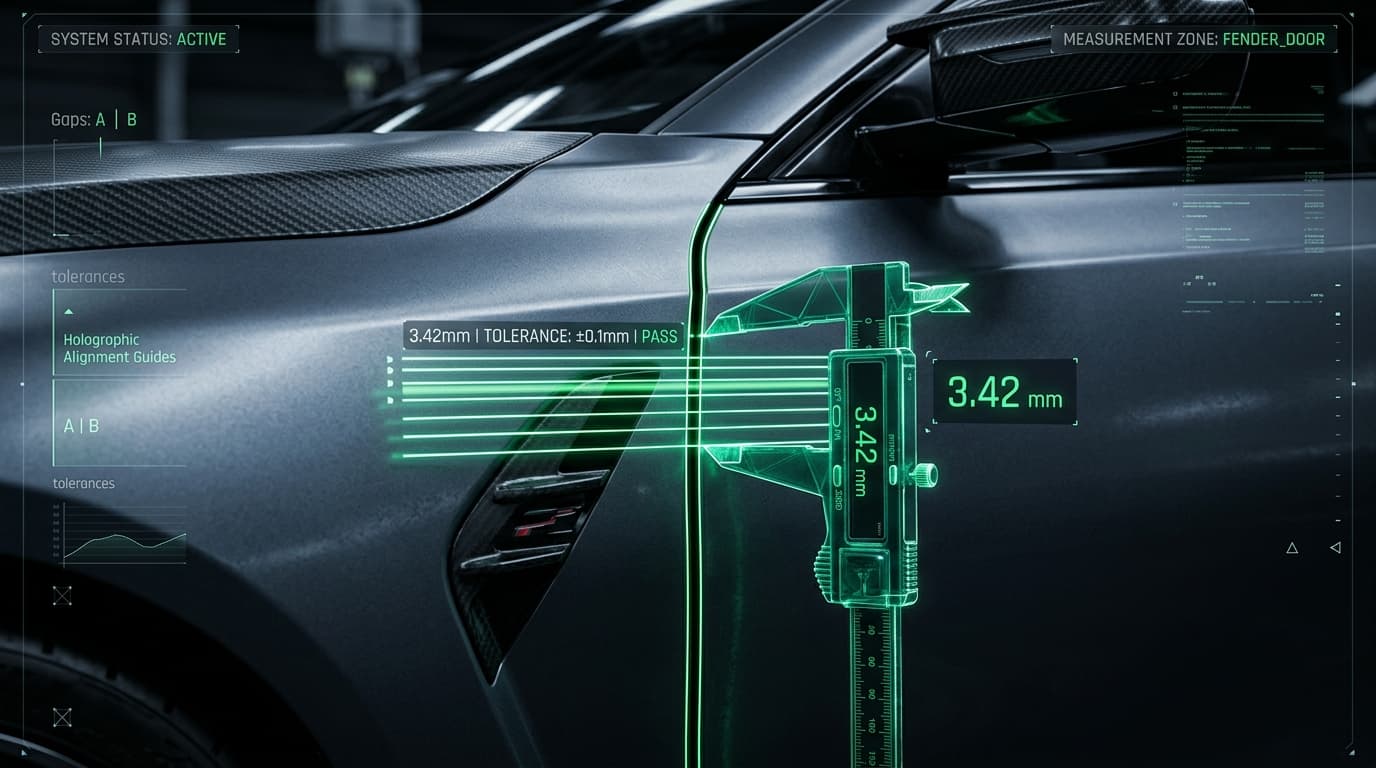
Severe issues like structural frame damage, suspension bends, and airbag deployments can be repaired privately and kept off official databases. Buyers who trust history reports blindly often purchase vehicles with compromised safety and resale value. Spotting these repairs requires looking at physical cues: minor color variations, mismatched panel seams, and uneven gaps.
How Visual AI Detects What History Reports Miss
Arabal AI's computer vision algorithms inspect listing photos for physical anomalies that history databases miss. By analyzing light reflections, panel alignment, and shadow details on the bodywork, the AI can detect panels that have been repainted or replaced. This ensures you uncover private repairs before committing to a purchase.